

Utrecht: A Participatory and Human Rights Approach to Diversity
Utrecht, a vibrant city in the Netherlands with a population of over 350,000, is the Gold Award winner of the European Capitals of Inclusion and Diversity Award 2025 in the category of local authorities with more than 50,000 inhabitants. A testament to its comprehensive and inclusive social policies.
Utrecht's approach to diversity, equity, and inclusion (DEI) is woven into the fabric of its municipal structure, ensuring that every portfolio within the municipal executive is responsible for promoting these values. The city’s commitment to DEI is a guiding principle across all policy areas, with additional resources invested in themes and groups that need them the most.
A Commitment to Human Rights, Diversity, and Community
Central to Utrecht’s success in fostering an inclusive community is the emphasis on human rights, which sit at the core of its municipal policies. Indeed, human rights serve as the foundation for Utrecht’s approach, guiding the city’s ongoing efforts to cultivate an inclusive society. This year, the city took a significant step forward by appointing a dedicated human rights Ambassador. This role is crucial in bringing human rights to every corner of Utrecht, and in critically assessing areas where improvement is needed.
To ensure that the voices of diverse communities are heard and reflected in urban planning and policymaking, Utrecht has established a learning cycle with its network of professionals and residents. Through annual meetings and forums like the "City Day," Utrecht gathers insights and refines, every two years, its priorities in collaboration with its community. This participatory approach ensures that the city’s DEI strategies resonate with the lived experiences of its residents—evidenced by the engagement of hundreds of participants in various discussions, meetings, and celebrations.
Utrecht’s commitment to inclusion and diversity is further strengthened through successful collaborations with community organisations and civil society actors. The city’s Inclusion and Diversity grant programme allocates €500,000 annually to fund innovative community-led projects. In 2025, twelve organisations have benefited from the fund, driving ground-level impact in the community. In parallel, Utrecht has developed the Utrecht Education Agenda in collaboration with educational and youth stakeholders, which prioritises inclusion within the educational sector.
DEI Policies as a Source of Pride and Prejudice
Promoting inclusion in Utrecht has not been without its challenges. Far from immune, Utrecht must also deal with pressures against diversity that are felt nationally, regionally, and internationally. The city faces actors seeking to exclude and marginalise certain communities. Their discourse is reinforced online through the spread of misinformation, conspiracies, extremism, and hate. The city actively addresses these issues through programmes such as, “Utrecht Zijn We Samen” (We’re Utrecht Together), which involves collaborations with different partners across education, youth services, security, and welfare sectors to counteract extremism and harmful polarisation both in Utrecht and online.
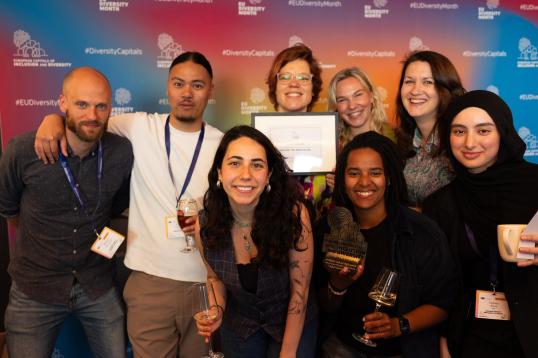
Receiving the European Capitals of Inclusion and Diversity Award is a source of deep pride for Utrecht and has garnered national media attention in the Netherlands. Being placed in the spotlight allowed Alderman Voortman, former alderwoman of Utrecht’s municipal executive, to highlight the importance of the city’s investments in DEI. In this way, the award represents an encouragement to further advance these initiatives. Utrecht aspires to be a role model, demonstrating that effective inclusion and diversity strategies require a holistic approach and, most importantly, a commitment from the entire city council and all policy departments.
Lessons from Utrecht’s journey emphasise the need to involve stakeholders and various actors continuously, from initiation to implementation; remain aware of potential blind spots and strive to mitigate them through community-based discussion; commit to a human rights-based approach; and aspire for a diverse and socially sensitive organisational culture. As Utrecht shares its strategies and experiences, it extends an invitation to other cities to join the pursuit of inclusivity. Utrecht shows us that by fostering environments where every individual finds a place, cities can amplify the positive impact of diversity not just within their borders, but across Europe.