

Braga: Pioneering Inclusive Housing for All
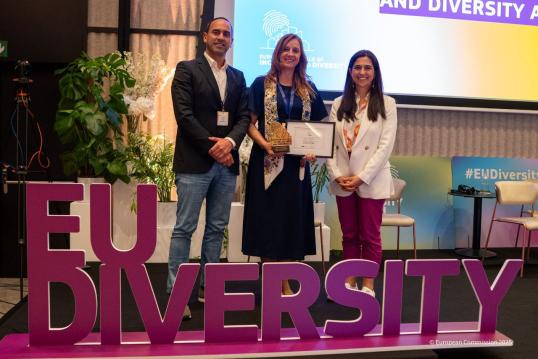
Braga, Portugal's vibrant city with a rich historical heritage, has recently been awarded with the 2025 Gold Award of the European Capitals of Inclusion and Diversity in the special category: inclusive housing.
This accolade honours Braga’s strategic and comprehensive approach to ensuring access to dignified housing for its most vulnerable populations. The city’s commitment to inclusive housing is enshrined in its Local Housing Strategy and the Braga 2030 Social Development Plan, which emphasise rehabilitation and foster social and territorial inclusion through diverse housing solutions.
Funding and Support to Vulnerable Populations as a Leitmotiv
Central to Braga's success is BragaHabit, the municipal housing company managing both social housing estates and dispersed housing units. Its initiatives address the significant social and economic vulnerabilities faced by residents. An exemplary initiative is the Shared Housing Scheme, providing individual rooms in shared residences for people in highly vulnerable situations, alongside technical and social support. The management of these residences involves partnerships with specialised organisations such as the Portuguese Red Cross, Cáritas da Arquidiocese de Braga, and Casa de Saúde do Bom Jesus catering to the homeless, domestic violence survivors, and individuals with mental health conditions.
Furthermore, Braga has implemented the Direct Rental Support Scheme, offering rent subsidies to low-income households, with permanent protection for older adults, persons with disabilities, and single-parent families with dependents. In parallel, the Direct Loan Support Scheme aids households with mortgage payments for their primary residences. Under Article 18 of the Municipal Housing Support Regulation, emergency housing provision is available, ensuring immediate assistance for survivors of domestic violence and for migrant and refugee communities. Additionally, Braga invests in capacity-building for community organisations, offering training and technical support through the Municipal Plan for Equality and Non-Discrimination (MPIED) or structured annual funding such as Viva a Bairro and the Open Social Innovation Programme.
Braga’s partnerships with organisations like the Portuguese Red Cross, alongside local institutions and international networks, have been instrumental in promoting inclusion and diversity. These collaborations ensure that policy development is grounded in cooperation and shared responsibility.
Community Engagement as a Fuel for Innovative Strategies and Social Cohesion
Braga strengthens participation through its innovative Residents’ Assembly, recognised by UN-Habitat. This forum empowers residents to be actively involved in decisions affecting their communities, proposing improvements and resolving conflicts, thereby enhancing community cohesion. Furthering this commitment, initiatives like the Viva o Bairro Programme fund cultural and social activities in social neighbourhoods, promoting intercultural exchange, especially among ethnic minorities.
Encouraging inclusion from a young age, projects such as the Bike Atitude and Equilibrium Social Circus engage children from disadvantaged neighbourhoods in Braga. These initiatives create safe and creative spaces where they can develop skills, form friendships, and strengthen their connection with the wider community. By fostering intercultural dialogue and encouraging healthy lifestyles from a young age, Braga nurtures a sense of belonging that transcends neighbourhood boundaries. Moreover, innovation also underpins Braga’s housing policy through, for instance, the Open Social Innovation Programme, developed by the Human Power Hub in collaboration with “la Caixa” Foundation. This programme generates collaborative solutions to local housing challenges, with a focus on Roma inclusion.
Braga’s achievements in inclusive housing are deeply rooted in its participatory structures and collaborative governance. The Residents’ Assembly allows migrants and Roma communities to actively manage shared spaces and enhance their quality of life. The Foreign Citizens’ Support Centre offers legal, social, and employment services to migrant communities. The Municipal Forum for Gender Equality and the Prevention and Combat of Domestic Violence facilitates policy development that reflects the realities of diverse groups.
All initiatives are rigorously monitored and evaluated, with BragaHabit producing quarterly and annual reports to assess impact and adapt strategies. A continuous learning approach, combined with strong partnerships and community participation, has positioned Braga as a national and European leader in inclusive, participatory, and cohesive housing governance.
A Firm Commitment to Inclusive Governance
Despite challenges in ensuring equitable access to housing, advancing migrant integration, responding to social isolation, and addressing domestic violence, Braga has implemented flexible support measures and innovative programmes. These efforts demonstrate Braga's integrated and evolving strategy for inclusive governance.
The European Capitals of Inclusion and Diversity Award recognises not just the achievements of Braga but also its commitment to equal opportunities for all residents. Through strategic planning, collaboration, and community participation, Braga continues to inspire other municipalities to prioritise inclusion as a practical and achievable commitment that benefits the entire society. By embedding inclusion as a transversal priority, investing in collaboration, fostering participation, and ensuring continuous monitoring, Braga sets an example of how cities can achieve lasting, positive change. Far from isolated interventions, Braga demonstrates that inclusion and diversity demand concerted, consistent, and collaborative efforts.